Vertebral Compression Fractures
Vertebral compression fractures (VCFs) are a relatively common cause of back pain for patients at risk. In some cases, the pain can be debilitating and difficult to manage. Luckily, there is a minimally invasive procedure that interventional radiologists can offer to help those with this type of injury.
How does a vertebral compression fracture happen?
The spinal vertebrae are made up of spongy bone, which is less dense than the bone in other parts of the body. This makes them more susceptible to fractures, especially in people with risk factors. Common causes of vertebral compression fractures include:
- Falls, which are the most common cause of VCFs. They can occur from any height, but they are more likely to occur from a fall from standing height or higher.
- Trauma to the spine, such as a car accident or a sports injury, can also cause VCFs.
- Osteoporosis, which is a condition that weakens bones, making them more likely to fracture. It is a common cause of VCFs, especially in older adults.
- Some medications, such as long-term use of corticosteroids.
- Cancer involvement of the vertebra, which can weaken it and predispose to fracture from mild trauma or even just normal day to day activity.
How is a vertebral compression fracture diagnosed?
It is important to understand that there are many different reasons to have back pain. The first step to understanding why you have pain is to get evaluated by a healthcare professional.
A VCF may be suspected if you have severe back pain that starts after a fall or other injury. A significant proportion of patients with fractures however do not recall any injury and will experience a gradual worsening of pain over time. If the pain worsens with movement, coughing or sneezing, this can be another clue.
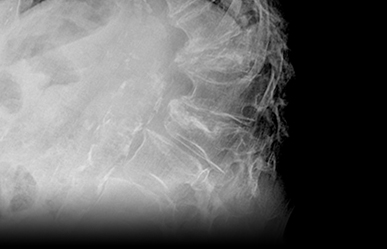
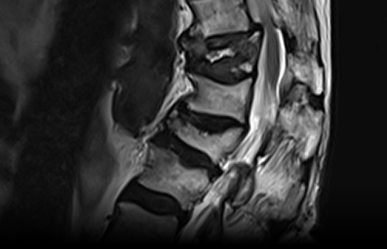
If a VCF or other serious condition is suspected, the next step is usually to get imaging of your back. This may include x-rays, CT scan and or MRI.