
Uterine Fibroids
Uterine fibroids, also known as leiomyomas or myomas, are noncancerous tumors that grow in the uterus. They are very common, affecting up to 80% of women by the time they reach menopause. Most women with fibroids have no symptoms, but some may experience heavy menstrual bleeding, pelvic pain, infertility, or pressure in the lower abdomen.
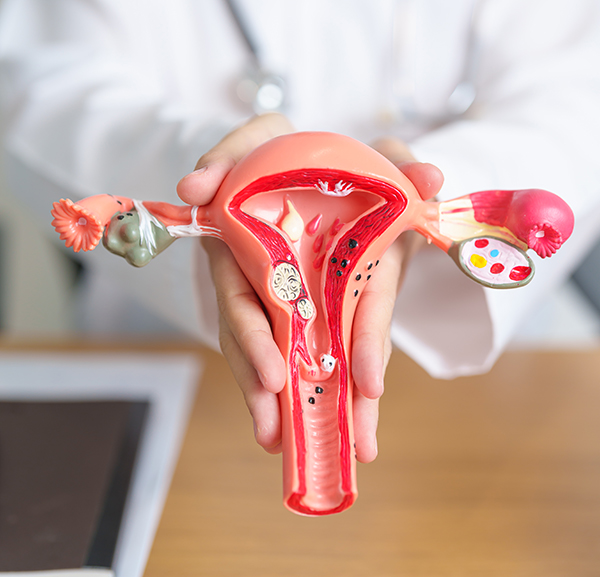
How are uterine fibroids diagnosed?
Uterine fibroids are often suspected in patient’s with typical symptoms, and may also be detected by a gynecological pelvic exam. Your doctor may feel the fibroids as hard growths in the uterus. To confirm the diagnosis, imaging tests can performed including:
- Ultrasound: Ultrasound can be used to confirm the presence of fibroids and to measure their size and location. This is usually the first and sometime the only test necessary to diagnose fibroids.
- Saline infusion sonography (SIS): This is a type of ultrasound that uses a saline solution to distend the uterus and make fibroids more visible.
- Hysterosonography (HSG): This is a type of X-ray that uses dye to outline the inside of the uterus. HSG can be used to identify fibroids and other abnormalities in the uterus.
- Magnetic resonance imaging (MRI): This test uses magnets and radio waves to create detailed images of your uterus. MRI can be used to identify fibroids and to determine their size, location, and type.
In some cases, your doctor may recommend a biopsy to exclude other reasons for uterine bleeding. This involves taking a small sample of tissue from the uterus which is sent to pathology for a diagnosis.
How UFE works
Prior to the procedure, together we will determine if you are a candidate for UFE. You will have the opportunity to ask questions about the procedure before deciding to move forward.
After checking in on the day of the procedure, you will have your vitals monitored and an IV will be started. Our staff will bring you to the procedure room, clean your skin and place sterile drapes over you. Your nurse will give you sedation medication through the IV. You may or may not fall asleep but you will be comfortable.
The doctor will start by placing a thin catheter into an artery by your hip or at your wrist. The catheter will be navigated into the uterine arteries with image guidance. Once the catheter is positioned correctly, a liquid filled with microscopic beads is injected through the catheter. The beads block the tiny arteries supplying the fibroids, which causes them to shrink. The catheter is then removed and a bandage is placed at the site.
Moderate to severe cramping is expected at the completion of the procedure. You will be given medication in the recovery area to ease the pain, as well as prescriptions for medication to take when you get home. Cramping will become less severe and generally resolves within one to two weeks. Other symptoms you may experience during this time include nausea and vaginal discharge
With proper follow-up care, most women experience significant improvement in their symptoms and quality of life within 3-6 months. It is important to note that everyone heals differently. Some women may notice improvement in their symptoms sooner or later than others. If you are concerned about your recovery, be sure to talk to your doctor.
How successful is uterine fibroid embolization?
Studies have shown that 90% of women experience significant improvement in their symptoms following uterine fibroid embolization, and in some cases even higher. Patients who have a primary complaint of excessive bleeding have the highest rate of success with the procedure.
After uterine fibroid embolization, the size of the fibroids has been shown to shrink by 50%, and some studies have even found up to 70% shrinkage! Larger fibroids and fibroids that are located near the fallopian tubes or ovaries are more likely to shrink after UAE.
Ready for a Consultation?
Frequently Asked Questions about Fibroids
Fibroids are more common in African American women and women who have a family history of fibroids. They are also more common in women who are obese or have diabetes.
The exact cause of uterine fibroids is unknown, but they are thought to be caused by a combination of genetic and hormonal factors.
Fibroids can grow to be very large and may push on other organs in the pelvis. This can lead to symptoms of constipation, frequent urination, backache, leg pain, and pain with intercourse.
Fibroids that develop along the inner cavity of the uterus may lead to obstruction of the fallopian tubes and in some cases contribute to infertility.
Yes, pregnancy after UFE is possible. Data on pregnancy after UFE currently is limited to relatively small studies. Many of these studies have shown rates of pregnancy and miscarriage which is no different than the general population. Some studies have suggested that UFE can increase the likelihood of pregnancy for those who have infertility related to fibroids.
Some studies have reported increased risk of pregnancy complications such as low birth weight and need for c-section for patients who have had UFE. Based on the limited data, it is uncertain if these complications are related to the procedure or other patient risk factors. It is important to discuss this with the interventional radiologist if you have a desire to become pregnant after the procedure.
Post-embolization syndrome is a mild illness that can occur after embolization procedures, including UFE. Symptoms include fever, pain, nausea, and fatigue. This is managed with pain medication and usually goes away within a few days.